Atlanta Christmas Light Pricing Starts With Scope
Christmas light installation pricing is shaped by the work that must be designed, installed, supported, removed, and sometimes stored for a specific property. A small, simple roofline has different requirements from a multi-level home with peaks, trees, landscape zones, and limited access. A commercial property can add operating-hour restrictions, tenant communication, staging requirements, lift access, brand standards, approval steps, and a fixed event deadline. Because those variables change from project to project, the most useful planning approach is to define scope before comparing totals.
Cost Factors to Document Before an Estimate
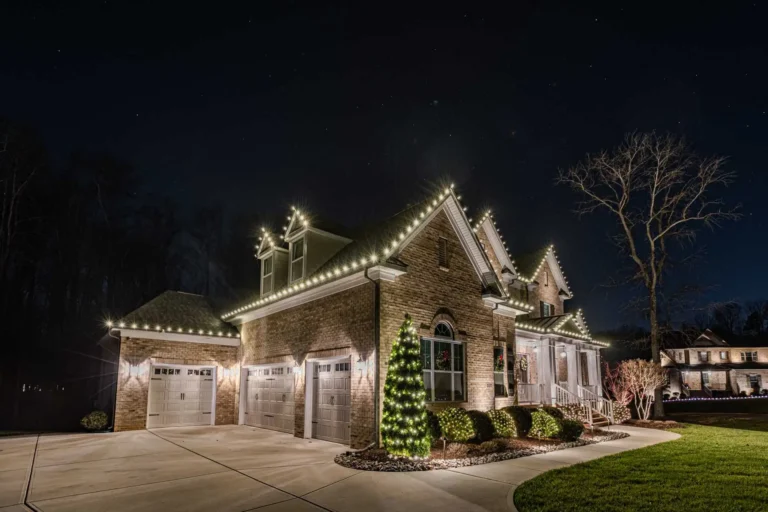
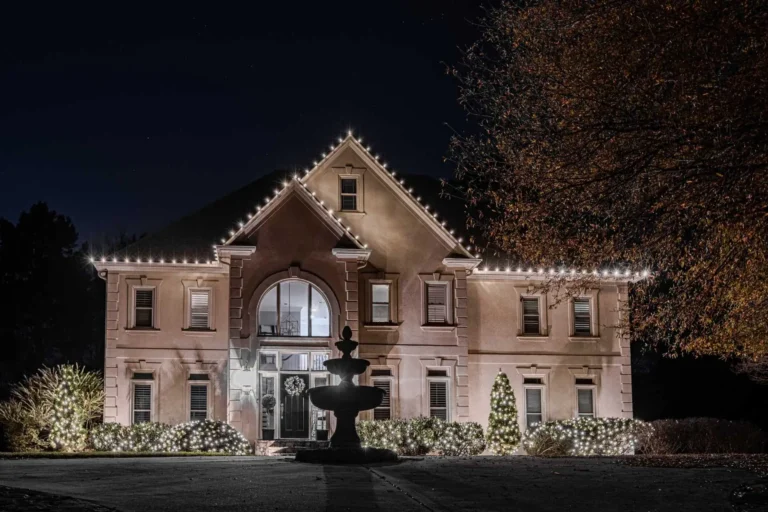
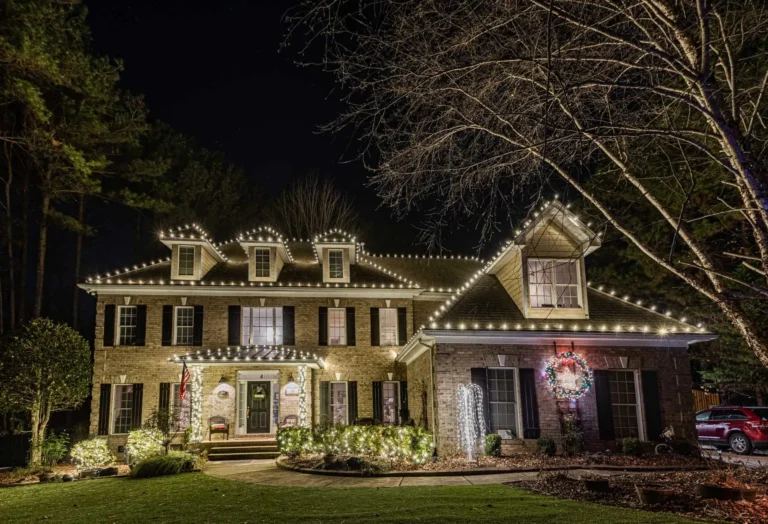
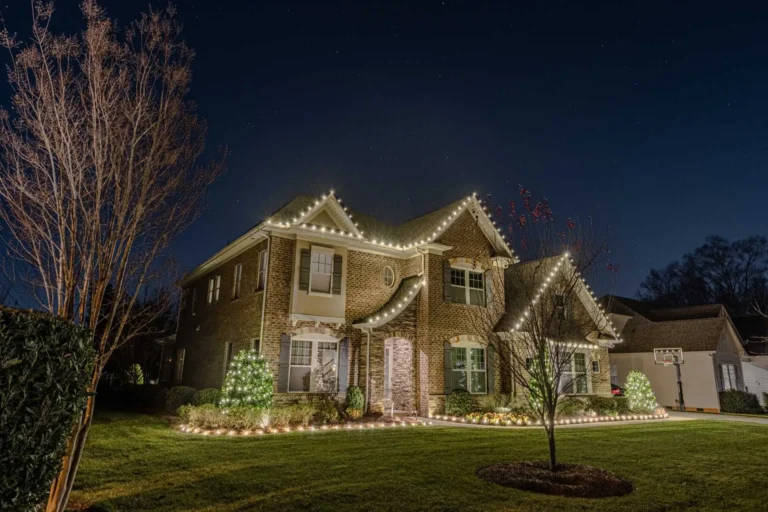
Useful photos and notes can reduce ambiguity during the estimate process. Document the roofline, entries, windows, columns, trees, shrubs, pathways, landscape beds, commercial frontage, power locations, parking or gate restrictions, and any area where ladders or lifts may be difficult to position. Identify required display zones separately from optional additions. Also note preferred color temperature, multicolor or warm-white direction, density, symmetry, focal points, and any existing decorations that must be coordinated with the lighting plan.
Then review the Atlanta installation cost guide for the major variables that belong in a written proposal. These can include measurements, design complexity, materials, attachment method, access equipment, installation timing, controls, in-season maintenance, takedown, labeling, storage, and customer responsibilities. A comparison is more meaningful when two proposals describe the same scope.
Booking Timing and Seasonal Capacity
Planning early can improve the range of available installation windows, especially when a project must be finished before a party, opening, community event, or commercial promotion. The best booking date still depends on current workload, weather, material availability, site readiness, and the approved scope. Pricing and planning articles in this archive explain how to prepare information early so scheduling conversations can focus on real constraints rather than incomplete assumptions.
Residential and Commercial Planning Are Not Identical
Residential projects often prioritize curb appeal, family schedules, homeowner preferences, property protection, maintenance convenience, and removal timing. The residential service page explains those planning considerations in more detail. Commercial projects may require additional coordination for public access, business hours, tenants, facilities teams, approvals, signage, brand colors, staging, safety documentation, and handoff. Review the commercial service page when those operational requirements are part of the project.
Maintenance, Removal, and Storage Belong in the Budget Conversation
The installed display is only one phase of a full seasonal service. Ask how outages or damage are reported, what maintenance is included, whether changes after installation are billable, when removal begins, how components are labeled, who owns the materials, and whether storage is included. The maintenance, removal, and storage page provides a checklist for those questions. Clarifying them before approval can prevent a low initial number from being compared with a proposal that includes a broader service scope.
Use the Archive as a Planning Sequence
Start with the article that matches the immediate question, then follow its internal links to the relevant service page. Pricing topics should connect to the cost guide. Booking and preparation topics should connect to service and estimate pages. Maintenance topics should connect to seasonal support. This creates a useful topical path for visitors and a clearer internal-link structure for search engines without producing multiple pages that compete for the same primary service intent.
Prepare a Clear Property-Specific Request
Before requesting a quote, gather the property address, daytime photos, preferred design direction, required and optional display areas, timing, access restrictions, event dates, business hours when relevant, maintenance expectations, and removal or storage preferences. Submit those details through the free estimate page. The final proposal should state the actual scope, price, schedule, materials, support, exclusions, and responsibilities that apply to that property.