
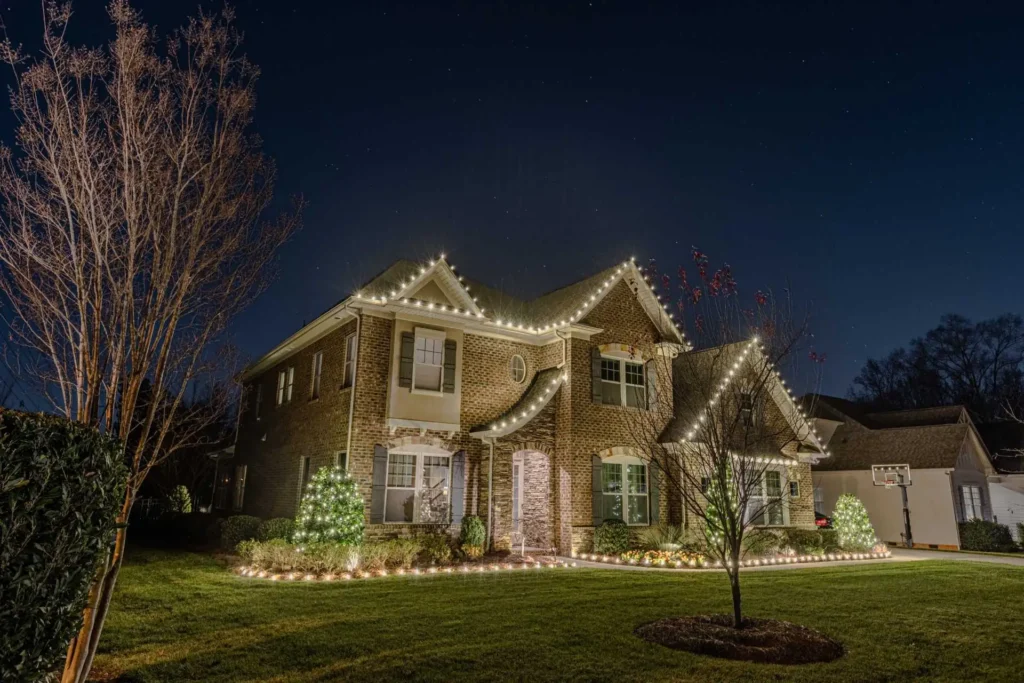
when to book Christmas light installation Atlanta is easier to evaluate when the property, timing, design goals, access, power, and service scope are reviewed together. Atlanta projects can vary from simple roofline work to detailed residential or commercial displays. The best plan is specific to the property and season. This guide explains the main decisions without inventing fixed pricing, guarantees, credentials, or availability.
Use the information below as a planning framework. Confirm all project-specific details in writing before work begins. For service details, review our related Atlanta holiday-lighting service page. You can also request a property-specific estimate when you are ready to discuss the address, preferred timing, photos, and design priorities.
Why early planning matters
Why early planning matters should be reviewed before the project is approved. Start with the real conditions at the property. Note roof height, trees, walkways, landscape features, power access, parking, gates, tenant activity, business hours, and any areas that require special equipment. These details affect how the work can be planned safely and efficiently. They also help prevent assumptions that later create scope changes.
For Atlanta customers, seasonal timing matters because weather, crew availability, material needs, event dates, and access restrictions can change the practical installation window. Ask what is included in the written scope. Confirm who provides the lights and controls, how maintenance requests are handled, when removal occurs, and whether storage is part of the agreement. If a claim involves warranties, insurance, licensing, response time, product life, or exact pricing, verify it directly with the business before relying on it.
A useful decision is one that can be documented. Take clear property photos, list the display zones in priority order, record preferred colors, and identify any hard deadlines. For commercial properties, include operating hours and approval contacts. For homes, include gate access, pets, driveway use, and any roof or landscaping concerns. This information gives the estimator a stronger starting point and makes the proposal easier to compare with the finished work.
Design and site-review lead time
Design and site-review lead time should be reviewed before the project is approved. Start with the real conditions at the property. Note roof height, trees, walkways, landscape features, power access, parking, gates, tenant activity, business hours, and any areas that require special equipment. These details affect how the work can be planned safely and efficiently. They also help prevent assumptions that later create scope changes.
For Atlanta customers, seasonal timing matters because weather, crew availability, material needs, event dates, and access restrictions can change the practical installation window. Ask what is included in the written scope. Confirm who provides the lights and controls, how maintenance requests are handled, when removal occurs, and whether storage is part of the agreement. If a claim involves warranties, insurance, licensing, response time, product life, or exact pricing, verify it directly with the business before relying on it.
Keep the design practical as well as attractive. Consider how the display will look from the street, how cords and controls will be managed, and how crews can reach each area later if service is needed. A balanced plan may emphasize a few high-visibility features instead of adding detail everywhere. The final choice should match the property, budget priorities, installation method, and the customer’s expectations for maintenance and takedown.
Preferred installation windows
Preferred installation windows should be reviewed before the project is approved. Start with the real conditions at the property. Note roof height, trees, walkways, landscape features, power access, parking, gates, tenant activity, business hours, and any areas that require special equipment. These details affect how the work can be planned safely and efficiently. They also help prevent assumptions that later create scope changes.
For Atlanta customers, seasonal timing matters because weather, crew availability, material needs, event dates, and access restrictions can change the practical installation window. Ask what is included in the written scope. Confirm who provides the lights and controls, how maintenance requests are handled, when removal occurs, and whether storage is part of the agreement. If a claim involves warranties, insurance, licensing, response time, product life, or exact pricing, verify it directly with the business before relying on it.
A useful decision is one that can be documented. Take clear property photos, list the display zones in priority order, record preferred colors, and identify any hard deadlines. For commercial properties, include operating hours and approval contacts. For homes, include gate access, pets, driveway use, and any roof or landscaping concerns. This information gives the estimator a stronger starting point and makes the proposal easier to compare with the finished work.
Weather and scheduling variables
Weather and scheduling variables should be reviewed before the project is approved. Start with the real conditions at the property. Note roof height, trees, walkways, landscape features, power access, parking, gates, tenant activity, business hours, and any areas that require special equipment. These details affect how the work can be planned safely and efficiently. They also help prevent assumptions that later create scope changes.
For Atlanta customers, seasonal timing matters because weather, crew availability, material needs, event dates, and access restrictions can change the practical installation window. Ask what is included in the written scope. Confirm who provides the lights and controls, how maintenance requests are handled, when removal occurs, and whether storage is part of the agreement. If a claim involves warranties, insurance, licensing, response time, product life, or exact pricing, verify it directly with the business before relying on it.
Keep the design practical as well as attractive. Consider how the display will look from the street, how cords and controls will be managed, and how crews can reach each area later if service is needed. A balanced plan may emphasize a few high-visibility features instead of adding detail everywhere. The final choice should match the property, budget priorities, installation method, and the customer’s expectations for maintenance and takedown.
What to prepare before requesting an estimate
What to prepare before requesting an estimate should be reviewed before the project is approved. Start with the real conditions at the property. Note roof height, trees, walkways, landscape features, power access, parking, gates, tenant activity, business hours, and any areas that require special equipment. These details affect how the work can be planned safely and efficiently. They also help prevent assumptions that later create scope changes.
For Atlanta customers, seasonal timing matters because weather, crew availability, material needs, event dates, and access restrictions can change the practical installation window. Ask what is included in the written scope. Confirm who provides the lights and controls, how maintenance requests are handled, when removal occurs, and whether storage is part of the agreement. If a claim involves warranties, insurance, licensing, response time, product life, or exact pricing, verify it directly with the business before relying on it.
A useful decision is one that can be documented. Take clear property photos, list the display zones in priority order, record preferred colors, and identify any hard deadlines. For commercial properties, include operating hours and approval contacts. For homes, include gate access, pets, driveway use, and any roof or landscaping concerns. This information gives the estimator a stronger starting point and makes the proposal easier to compare with the finished work.
Questions to Confirm Before Booking
- Which property areas and lighting elements are included in the proposal?
- Who owns the lights, cords, timers, clips, décor, and replacement materials?
- What access, power, parking, gate, tenant, or business-hour requirements apply?
- How are weather delays, maintenance requests, change orders, removal, and storage handled?
- Which dates are targets and which dates are contractually confirmed?
Atlanta Planning Takeaway
when to book Christmas light installation Atlanta works best as a planning topic, not a shortcut to a one-size-fits-all answer. Review the actual property, choose the most important display zones, confirm the complete service scope, and document timing and responsibilities. For more planning details, see the holiday-lighting FAQ or request an estimate for the specific Atlanta-area property.
